
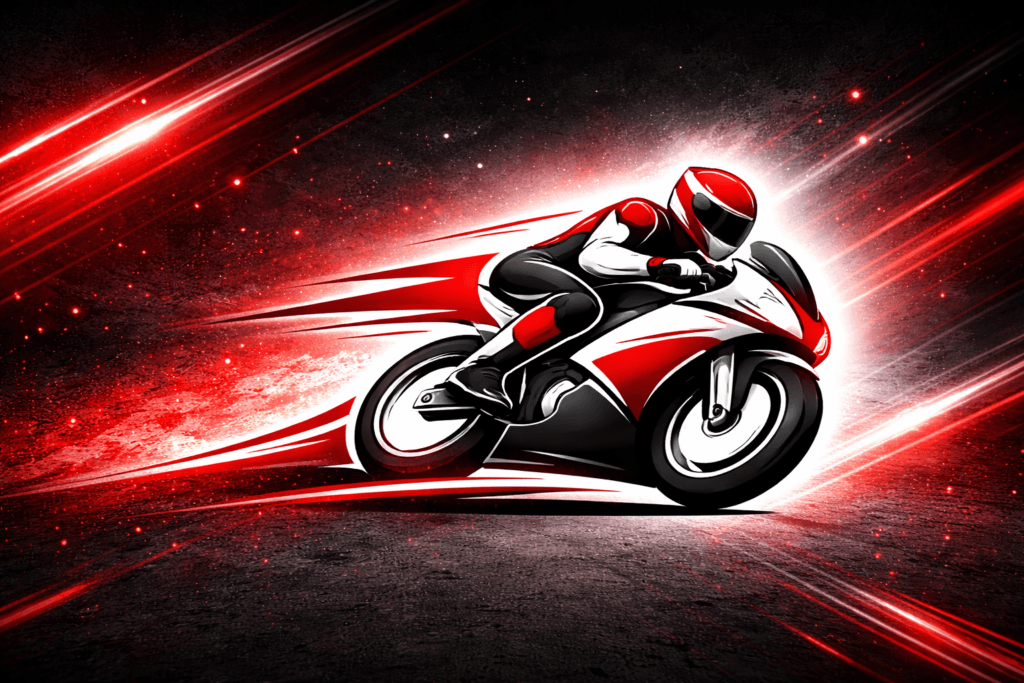
MotoGP 500cc era marked the evolution of motorcycle racing into a global phenomenon. The sport has captivated fans worldwide with its thrilling races and legendary riders. Understanding its history helps fans appreciate how MotoGP grew from its humble beginnings into a premier motorsport.
Origins of MotoGP
The roots of MotoGP can be traced back to 1949 when the Fédération Internationale de Motocyclisme (FIM) established the World Championship of Motorcycle Racing. The inaugural season featured several classes, including 125cc, 250cc, 350cc, and 500cc. The 500cc category soon became the premier class, showcasing the fastest bikes and most skilled riders.
Key Founding Moments and Early Development
The early years of the MotoGP 500cc era were characterized by fierce competition and innovation. In the 1950s, legendary riders like Geoff Duke and Mike Hailwood emerged, leaving their mark on the sport. These pioneers helped establish the foundation for future generations of racers. The 1960s and 70s saw the introduction of iconic manufacturers like Honda and Yamaha, contributing to the evolution of motorcycle technology.
The Evolution into Modern MotoGP
The transition from the MotoGP 500cc era to the modern format began in 2002 when the championship adopted a new four-stroke engine formula. This change aimed to enhance performance and sustainability. Consequently, manufacturers invested heavily in research and development, leading to the emergence of bikes capable of reaching incredible speeds. The introduction of the MotoGP class in 2002 marked a significant turning point, differentiating it from the previous 500cc category.
Major Institutions and Governing Bodies
The role of governing bodies has been essential in shaping MotoGP's rules and regulations. The FIM oversees the championship, ensuring fair play and safety standards. Additionally, Dorna Sports, the commercial rights holder since 1992, has played a crucial role in promoting and expanding the sport globally. Their efforts have included securing broadcasting rights and enhancing fan engagement, making MotoGP more accessible to audiences worldwide.
Global Spread and Popularity
MotoGP’s global appeal has grown exponentially since its inception. The championship now features races in various countries, from Europe to Asia and the Americas. This international reach has introduced the sport to millions of new fans. Major events like the Italian Grand Prix at Mugello and the Japanese Grand Prix at Motegi have become staples of the racing calendar, attracting large crowds and extensive media coverage.
Iconic Moments and Turning Points
<pThroughout its history, MotoGP has witnessed iconic moments that have shaped the sport. One such moment occurred in 2006 when Valentino Rossi completed an incredible comeback to win the world championship after a challenging season. His charisma and talent not only elevated his status but also increased the sport's popularity. Another turning point was the introduction of electronic aids in the MotoGP 500cc era, which revolutionized racing strategies and bike performance.To summarize: The MotoGP 500cc era laid the groundwork for what has become a global motorsport sensation. With its rich history and iconic moments, MotoGP continues to evolve and attract fans worldwide. As the sport looks to the future, it remains a thrilling spectacle that captures the hearts of racing enthusiasts everywhere.