
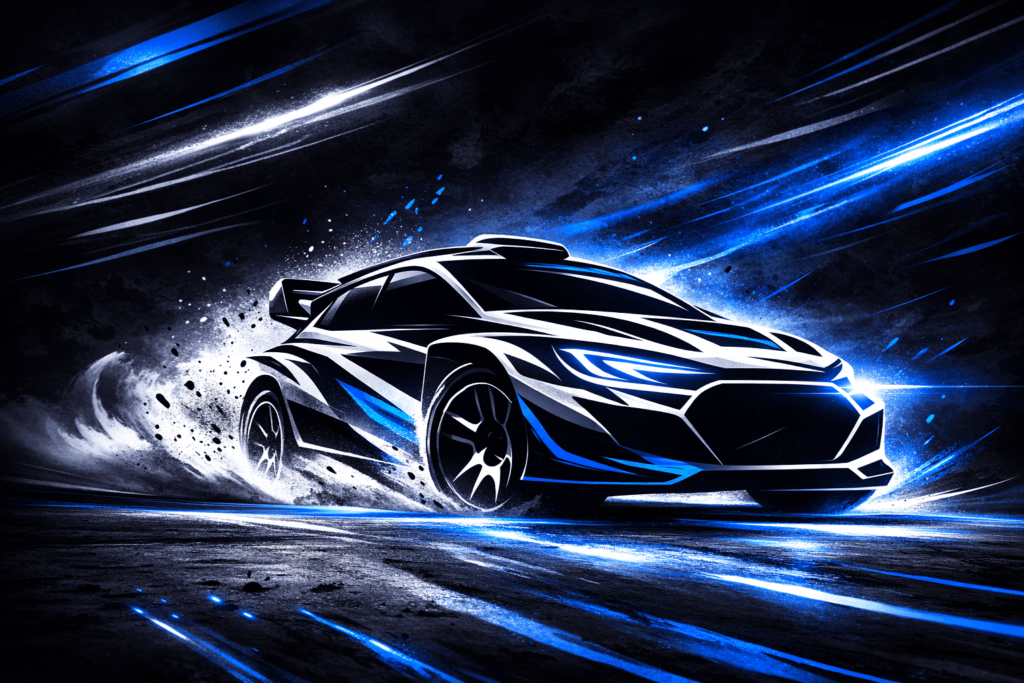
Group A rally has a storied history that captivates motorsport fans worldwide. The World Rally Championship (WRC) was officially established in 1973, evolving from earlier rally competitions that showcased the rugged spirit of off-road racing. This championship transformed the landscape of motorsport, blending speed, skill, and endurance through diverse terrains.
Origins and Early Development
The WRC’s roots trace back to the European rally scene of the 1960s. Events like the Monte Carlo Rally and the Acropolis Rally laid the groundwork, attracting not only competitors but also fans who craved thrilling automotive challenges. The need for an organized structure became apparent, leading to the formal establishment of the WRC by the Fédération Internationale de l'Automobile (FIA) in 1973.
Key Founding Moments
In its inaugural season, the WRC featured just a handful of events, including the famous Monte Carlo Rally. The championship quickly gained attention for its thrilling stages and demanding conditions. By 1979, the introduction of the Manufacturers' Championship allowed manufacturers to showcase their cars, giving rise to fierce competition. This era saw iconic vehicles like the Ford Escort RS1800 and the Fiat 124 Sport Spider dominate the scene.
The Evolution of WRC
As the 1980s unfolded, the WRC underwent significant changes, particularly with the introduction of Group A rally regulations in 1982. These rules emphasized standard production vehicles, making the sport more accessible to manufacturers and fans alike. Notably, the Subaru Impreza and the Lancia Delta Integrale emerged as dominant forces during this period, thrilling fans with their rally prowess and memorable performances.
Major Institutions and Global Spread
The FIA continues to govern the WRC, ensuring the sport maintains high standards of safety and fairness. Over the years, the championship expanded its reach, attracting global attention. By the late 1980s and early 1990s, events spread across continents, from the fast-paced roads of Finland to the challenging terrains of New Zealand. This global expansion significantly increased the sport's popularity, drawing fans from diverse backgrounds.
Moreover, the introduction of television broadcasts played a crucial role in spreading the excitement of Group A rally. Fans could now experience the thrill of high-speed racing from the comfort of their homes, boosting viewership and interest in rally events. As a result, the WRC grew into one of the most-watched motorsport series worldwide.
Iconic Moments and Turning Points
Throughout its history, the WRC has witnessed numerous iconic moments that have shaped the sport. The tragic accident of Henri Toivonen during the 1986 Tour de Corse led to a reevaluation of safety measures in rallying. This incident prompted the FIA to tighten regulations and improve safety standards, influencing the direction of the sport significantly.
Another turning point was the rise of Sébastien Loeb in the early 2000s. His remarkable achievements, including nine consecutive championships from 2004 to 2012, brought unprecedented attention to the WRC. Loeb’s success not only showcased the capabilities of modern rally cars but also inspired a new generation of drivers.
To summarize: The history of Group A rally is rich with moments that define the sport. From its origins in the 1970s to the modern-day spectacle it has become, the WRC continues to enchant fans worldwide. As the championship evolves, it remains a testament to the thrill of rally racing.