
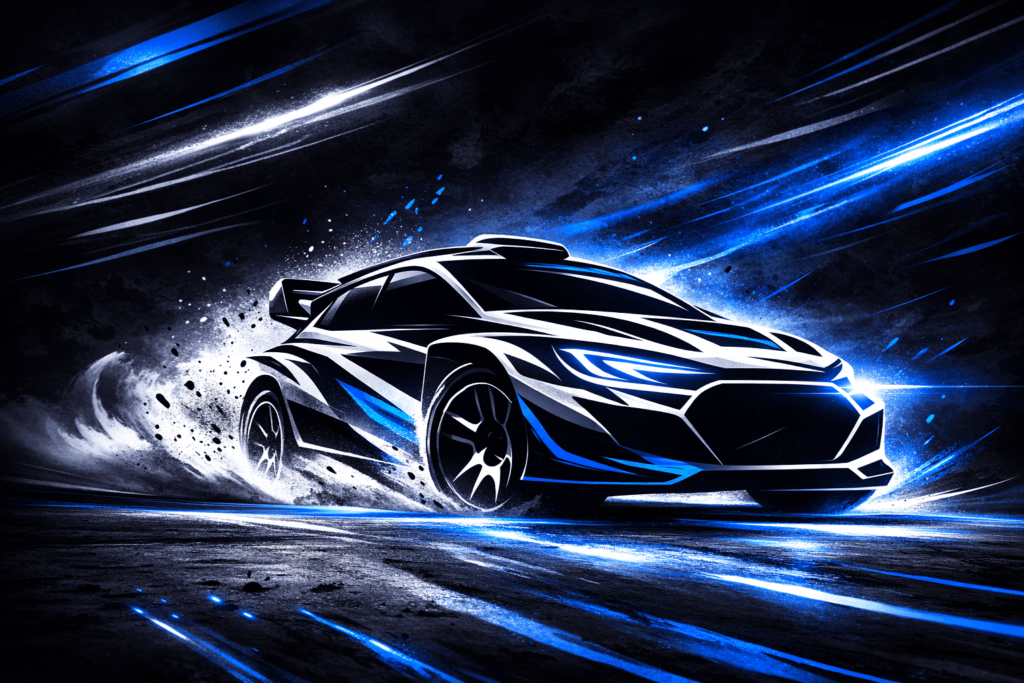
The WRC origins trace back to the early 1970s, when rallying began to capture the imagination of motorsport fans. The World Rally Championship (WRC) has become one of the most prestigious and challenging forms of motorsport globally. Understanding its history helps fans appreciate its significance in the world of racing.
Origins and Early Development of WRC
The WRC was officially established in 1973 by the Fédération Internationale de l'Automobile (FIA), the governing body for motorsport worldwide. This came after several successful international rally events in the previous decades, which showcased the popularity and competitive spirit of rallying. The inaugural season featured 15 events, primarily held in Europe, showcasing the talents of drivers and the capabilities of various manufacturers.
Key Moments in WRC's Evolution
In its early years, the WRC saw significant developments, including the introduction of new regulations that shaped competition. Iconic manufacturers such as Ford, Lancia, and Audi began to dominate the sport, each developing their unique vehicles tailored to the rugged rally stages. The 1980s marked a golden era for the WRC, with the introduction of Group B cars, which were known for their incredible speed and power, leading to thrilling yet dangerous competitions.
Modernization and Global Expansion
As the years progressed, the WRC evolved to incorporate new technologies and safety measures. The late 1990s and early 2000s saw the introduction of the World Rally Car formula, which set stricter guidelines for vehicle specifications. This change aimed to balance performance and safety while enhancing competitiveness. With this modernization, the WRC began to attract more global attention, expanding its reach beyond Europe to include events in Africa, Asia, and the Americas.
Major Governing Bodies and Their Impact
The FIA remains the primary governing body for the WRC, overseeing regulations, safety standards, and the overall organization of events. Its influence has been pivotal in shaping the sport's direction, ensuring that the WRC maintains high standards of competition and integrity. Additionally, regional rallying organizations have played a crucial role in promoting the sport at local levels, fostering a strong grassroots presence that encourages new talent to emerge.
The WRC's global spread is evident in its fan base, which grew significantly during the 1990s, thanks in part to extensive television coverage. Events like the Monte Carlo Rally and Rally Finland became household names, attracting thousands of fans to the stages and millions more watching from home. This surge in popularity helped solidify the WRC as a staple in the world of motorsport.
Iconic Moments and Turning Points in WRC History
Throughout its history, the WRC has witnessed numerous iconic moments that defined the sport. The tragic accident at the 1986 Portuguese Rally, which claimed the lives of several spectators, led to the eventual banning of Group B cars. This turning point prompted a reassessment of safety measures and regulations, paving the way for a safer competitive environment.
Another unforgettable moment was Colin McRae's victory in 1995, as he became the first Briton to win the championship. His charismatic personality and driving style helped popularize the WRC in the UK and beyond, inspiring a new generation of rally enthusiasts. These moments not only shaped the sport but also left a lasting legacy that continues to resonate with fans today.
To summarize: The WRC origins date back to the early 1970s, evolving through significant developments and iconic moments. Today, it stands as a cornerstone of motorsport, captivating fans worldwide with its thrilling competition and rich history. The future looks bright for the WRC as it continues to grow and adapt in an ever-changing motorsport landscape.