
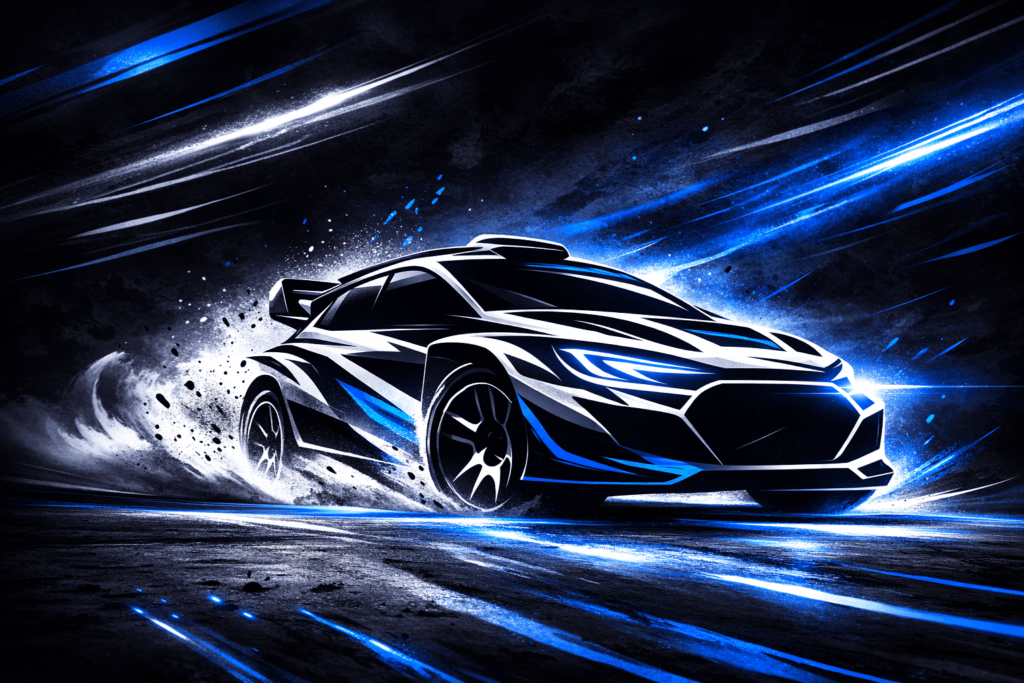
The rally history of the World Rally Championship (WRC) is a captivating journey through time, showcasing the evolution of motorsport. Since its inception, WRC has captured the hearts of fans worldwide. This thrilling competition combines speed, skill, and endurance, making it one of the most exciting forms of motorsport.
Origins of the WRC
The origins of the World Rally Championship date back to the early 1970s. The Fédération Internationale de l'Automobile (FIA), the governing body for motorsport, recognized the need for a structured rally championship. In 1973, the first official World Rally Championship season was held, featuring a series of rallies across Europe and beyond. This formalization marked a significant turning point in rally history.
Key Founding Moments and Early Development
In its inaugural year, the WRC featured 15 rallies, including iconic events like the Monte Carlo Rally and the Acropolis Rally. These early rallies set the stage for the championship's future. The competition quickly gained traction, drawing top manufacturers and drivers. Names like Audi, Lancia, and Ford became synonymous with the sport, pushing the limits of technology and performance.
Evolution into Modern Form
As the years went by, the WRC evolved significantly. In the 1980s, the introduction of Group B cars revolutionized the sport. These lightweight, high-powered vehicles brought unprecedented speed and excitement. However, the dangers associated with these cars led to their ban in 1986, prompting the FIA to introduce new regulations. This shift resulted in the creation of the Group A category, which laid the groundwork for the modern WRC.
Major Institutions and Governing Bodies
The FIA has played a crucial role in overseeing the WRC, ensuring fair competition and safety for participants. Alongside the FIA, national motorsport federations contribute to organizing events and promoting the sport worldwide. The WRC Promoter GmbH, established in 2013, further enhanced the championship's global reach and commercial appeal. This collaboration between institutions has solidified the WRC's position in the motorsport landscape.
Global Popularity and Spread
The global spread of the WRC began in the 1990s, as media coverage expanded and technology improved. The championship gained a dedicated following, with fans tuning in from all corners of the globe. Iconic rallies like the Safari Rally in Kenya and the Rally Finland became must-see events, showcasing diverse terrains and challenging conditions. This global appeal has been instrumental in shaping rally history.
Iconic Moments and Turning Points
Throughout its history, the WRC has witnessed unforgettable moments that defined the sport. The rivalry between legends like Sébastien Loeb and Colin McRae captivated fans. Loeb's dominance in the early 2000s, with nine consecutive championships, changed the perception of what it meant to be a successful rally driver. Additionally, the introduction of hybrid technology in 2022 marked a new era, blending tradition with innovation.
To summarize: the rally history of the World Rally Championship showcases its evolution, key institutions, and global popularity. As the WRC continues to grow, it remains a thrilling spectacle for motorsport fans worldwide, promising exciting moments for years to come.