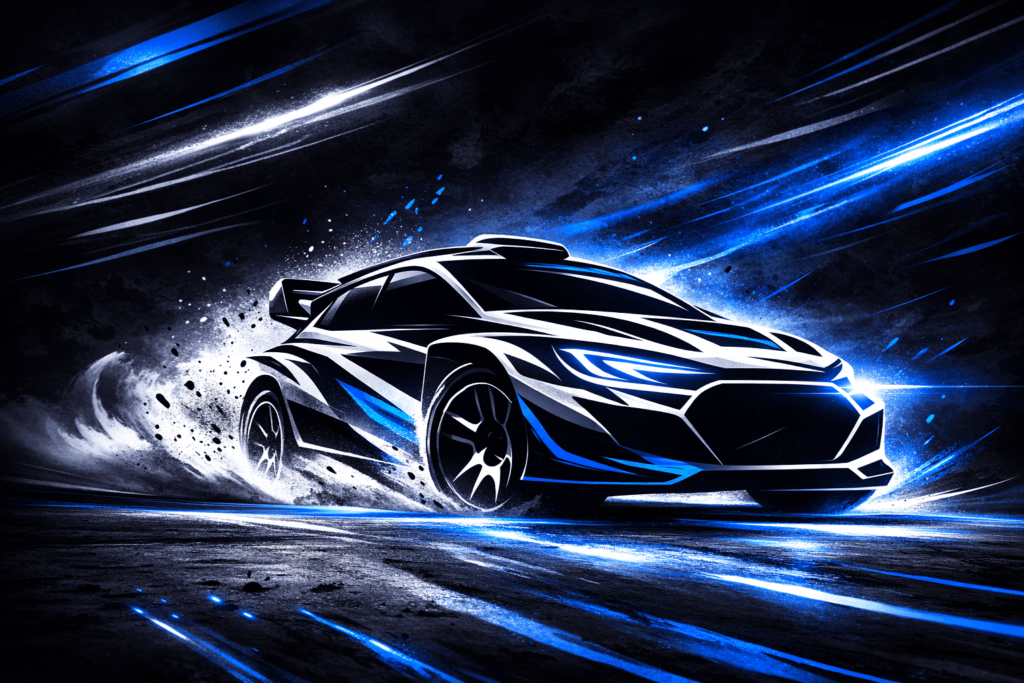
The WRC greatest rallies have captivated motorsport fans since its inception. The World Rally Championship (WRC) began in 1973 and was officially formalized by the Fédération Internationale de l'Automobile (FIA). This championship was created to promote the sport of rallying, which had roots in various forms of motorsport, including endurance and road racing events. The allure of WRC lies in its combination of speed, skill, and the breathtaking landscapes where these rallies take place.
Origins and Early Development
The origins of the WRC can be traced back to the early 20th century, but it wasn't until the 1970s that it gained formal recognition. The first official WRC event was the Monte Carlo Rally, a legendary event that started in the 1911 and has continued to be a fixture in the rally calendar. The establishment of the championship allowed for a more structured and competitive environment. Initially, the championship was divided into two categories: the drivers' and manufacturers' championships, which encouraged participation from both individual racers and car manufacturers.
Evolution into Modern Form
Throughout the late 1970s and 1980s, the WRC greatest rallies evolved significantly. The introduction of Group B cars in the early 1980s revolutionized the sport. These cars were highly powerful and lightweight, leading to a new era of rallying characterized by speed and daring performances. However, the extreme power and speed of these vehicles resulted in several serious accidents, prompting the FIA to replace Group B with Group A regulations in 1987. This change aimed to enhance safety while still maintaining excitement in the sport.
Major Institutions and Governing Bodies
The WRC is governed by the FIA, which plays a crucial role in ensuring fair competition and safety standards. The FIA not only sets the rules for the championship but also organizes the events and oversees the teams and drivers. The championship has seen various promoters over the years, with the latest being WRC Promoter GmbH, which has worked to enhance the visibility of the sport through marketing and media partnerships. This governance structure helps maintain the integrity and global appeal of the WRC.
Global Popularity and Spread
The WRC greatest rallies have reached audiences worldwide, creating a passionate fanbase. The championship expanded beyond Europe, with events in countries like Australia, Japan, and New Zealand. The introduction of live television coverage and online streaming has further fueled the sport's popularity, allowing fans to engage with the rallies in real-time. This global reach has encouraged manufacturers to invest in rally teams, leading to fierce competition between brands like Subaru, Ford, and Volkswagen.
Iconic Moments in WRC History
Over the years, the WRC has witnessed numerous iconic moments that have shaped the sport. For instance, the legendary rivalry between Ari Vatanen and Juha Kankkunen in the late 1980s brought intense competition and thrilling performances to fans. Another turning point was the introduction of hybrid technology in modern WRC cars, which has led to a new era of innovation within the sport. Additionally, the dramatic finish of the 2003 Monte Carlo Rally, where Petter Solberg clinched victory in the final stages, remains etched in the memories of rally enthusiasts.
To summarize: The WRC greatest rallies represent a rich history filled with thrilling moments and significant developments. From its origins in the 1970s to its current global popularity, the WRC has evolved through various challenges and innovations. As the sport continues to grow, fans can look forward to more unforgettable moments in the exciting world of rallying.