
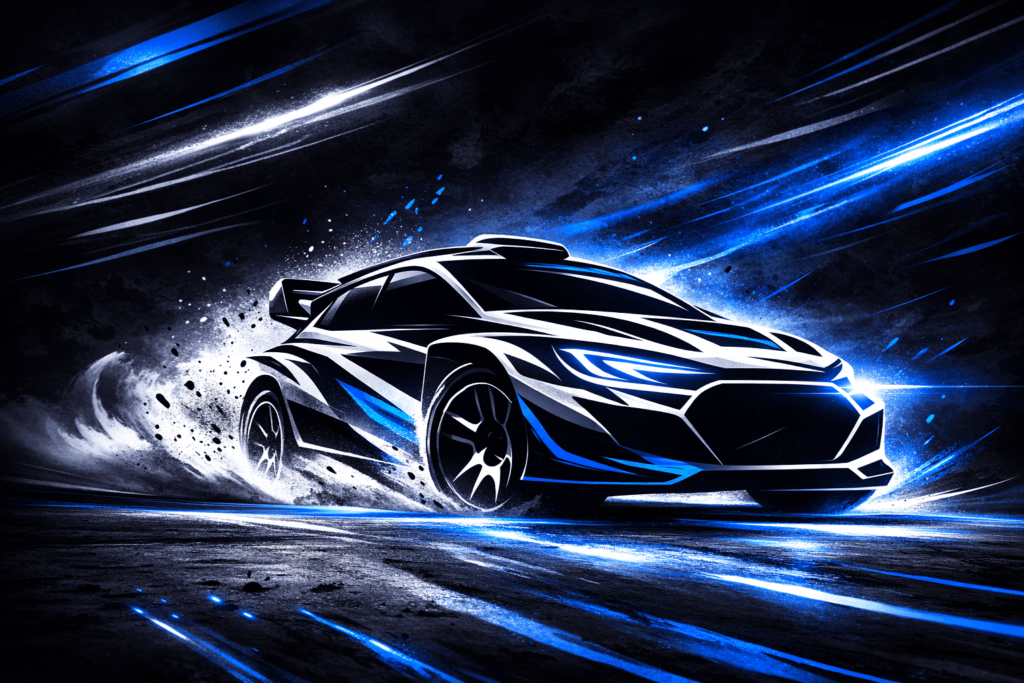
The WRC history is a captivating tale of evolution and excitement in the world of motorsport. The World Rally Championship (WRC) began in the early 1970s, driven by a passion for rallying and the need for a formalized competitive structure. As fans and participants embraced this thrilling motorsport, it steadily gained traction across the globe.
Origins of WRC
The origins of WRC trace back to 1973 when the Fédération Internationale de l'Automobile (FIA) introduced the World Rally Championship as a global series. The inaugural season featured a mix of events and attracted interest from various countries. The first official championship event was the Monte Carlo Rally, which still runs today. This established the groundwork for rallying as a recognized and structured sport.
Key Founding Moments and Early Development
In the 1970s and early 1980s, WRC history was marked by several key moments that helped shape the sport. Notably, the introduction of Group 4 regulations allowed manufacturers to develop more powerful and specialized vehicles. This led to the dominance of iconic cars like the Lancia Stratos and the Audi Quattro. These vehicles not only showcased engineering brilliance but also elevated the sport's profile, attracting fans eager to witness the spectacle of rally racing.
Evolution into Modern Form
As the WRC progressed into the 1990s, it underwent significant changes. The introduction of Group A regulations in 1982 established a new era of rally cars, leading to fierce competition among manufacturers. This period saw the emergence of legendary drivers like Colin McRae and Tommi Mäkinen, who not only won championships but also helped popularize rallying worldwide. The sport became more accessible, drawing in new fans and sponsors eager to be part of the adrenaline-fueled experience.
Major Institutions and Governing Bodies
The FIA has played a crucial role in shaping WRC history. As the governing body, it sets the rules and regulations that ensure fair competition and safety. The FIA World Rally Championship is organized by WRC Promoter GmbH, which manages the series and promotes events globally. This partnership between the FIA and WRC Promoter has been pivotal in maintaining the sport's integrity while fostering its growth and popularity.
Global Spread and Popularity
The WRC has expanded its reach across the globe, with events hosted in various countries spanning Europe, Asia, and the Americas. Each rally features unique terrains, from snow-covered roads in Sweden to gravel paths in Australia. This variety not only tests drivers' skills but also showcases the diverse landscapes of the host nations. Consequently, the WRC has developed a loyal fan base, with millions tuning in to watch events live or on television.
Iconic Moments and Turning Points
Throughout its history, the WRC has witnessed numerous iconic moments that have left a lasting impact on the sport. One such moment occurred in 1995 when Colin McRae became the first British driver to win the WRC title. His charismatic personality and driving prowess endeared him to fans, elevating the sport's profile in the UK and beyond. Another turning point was the introduction of the Super 2000 category in the late 2000s, which aimed to enhance competition and attract more manufacturers to participate.
To summarize: WRC history is rich with milestones that define this exhilarating motorsport. From its origins in the early 1970s to its global popularity today, the World Rally Championship continues to captivate fans and inspire future generations of drivers. As the sport evolves, it promises to deliver even more thrilling moments for enthusiasts around the world.