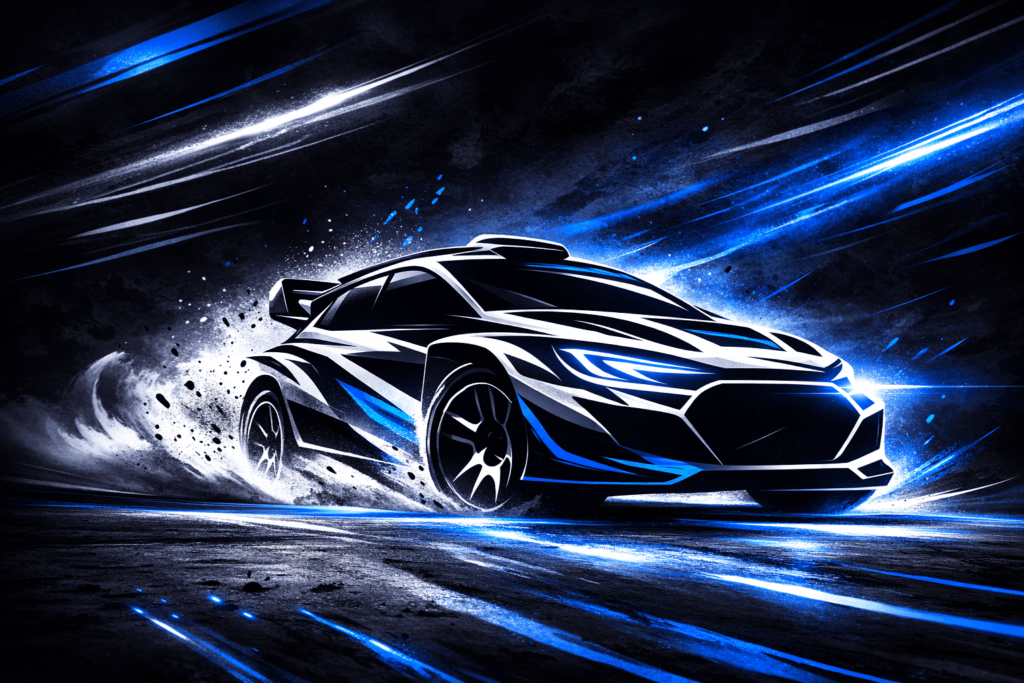
WRC legends have shaped the thrilling world of rallying since its inception. The World Rally Championship (WRC) began in the early 1970s, establishing itself as a premier motorsport series. This dynamic competition showcases drivers navigating challenging terrains around the globe. Fans are captivated by the speed, skill, and strategy involved in rally racing.
Origins of the WRC
The WRC was formally created in 1973 by the Fédération Internationale de l'Automobile (FIA), the sport's governing body. The championship aimed to bring structure to the burgeoning world of rallying, which had grown in popularity across Europe and beyond. Initially, the series featured a mix of road races and off-road events that tested drivers’ abilities to handle different surfaces and conditions.
Founding Moments and Early Development
One of the key moments in the early development of the WRC occurred in 1979 with the introduction of the first official WRC points system. This system rewarded drivers for their performance over multiple rallies, adding a layer of competitiveness. The inaugural World Rally Champion was Swedish driver Björn Waldegård in 1979, highlighting the early influence of Scandinavian drivers on the sport.
Evolution into Modern Form
The WRC experienced significant changes throughout the 1980s and 1990s, evolving into the thrilling spectacle fans enjoy today. Technological advancements, such as the introduction of turbocharged engines and all-wheel-drive systems, revolutionized rally cars. Legendary manufacturers like Audi, Lancia, and Subaru began to dominate the sport, fostering a competitive environment that drove innovation and excitement.
Major Institutions and Governing Bodies
The FIA remains the primary governing body of the WRC, overseeing regulations, safety standards, and event organization. In addition to the FIA, the WRC Promoter GmbH manages the commercial aspects of the championship, ensuring its growth and sustainability. These institutions work collaboratively to maintain the integrity of the sport while promoting its global appeal.
Global Spread and Popularity
The WRC's global reach expanded rapidly in the late 1990s and early 2000s, thanks to increased television coverage and the rise of the internet. Events held in various countries, such as the Monte Carlo Rally and Rally Australia, showcased the sport's diverse challenges. This international appeal drew fans from all corners of the world, making WRC legends household names.
Iconic Moments and Turning Points
Throughout its history, the WRC has witnessed numerous iconic moments that have defined the sport. One such turning point was the intense rivalry between French drivers Sébastien Loeb and Marcus Grönholm in the early 2000s. Loeb's dominance, with nine consecutive titles from 2004 to 2012, solidified his status as one of the greatest drivers in rally history. These legendary battles have enhanced the thrill of the championship and captivated audiences worldwide.
To summarize: WRC legends have profoundly influenced the sport's history and development. From its origins in the 1970s to its modern global appeal, the World Rally Championship continues to excite fans with its unique blend of skill, strategy, and adventure. The future looks bright for rallying as it evolves and attracts new generations of enthusiasts.