
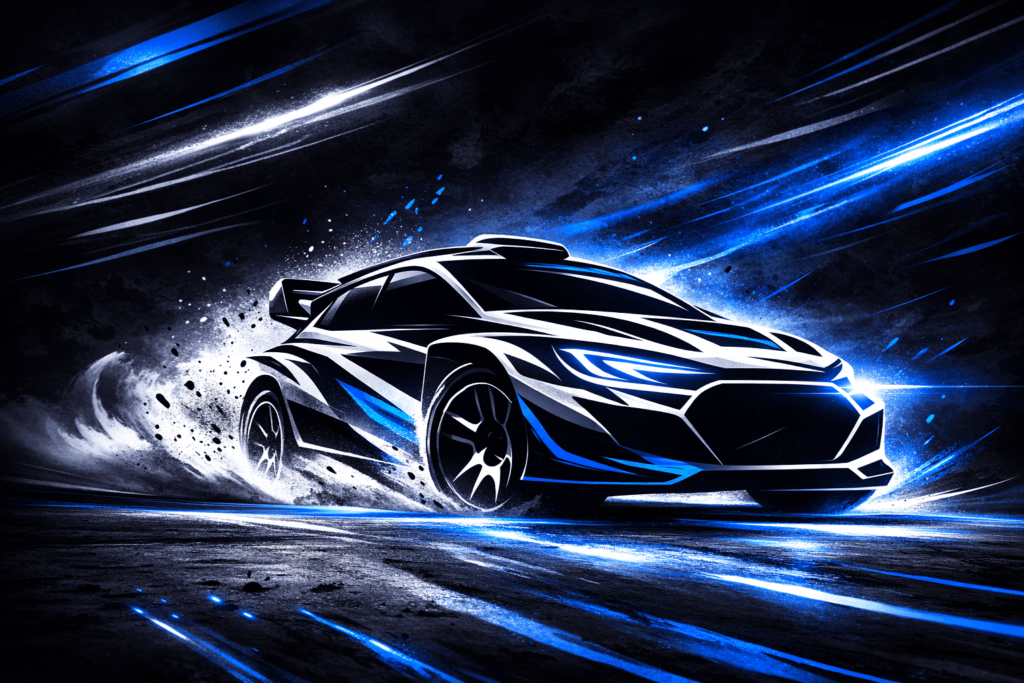
WRC iconic moments have shaped the landscape of rally racing. The World Rally Championship (WRC) has a rich history that began in the late 1960s, evolving into one of the most thrilling motorsport competitions in the world. Fans cherish the adrenaline-filled races where skill, speed, and strategy collide. Understanding the origins and evolution of the WRC provides insight into why it captivates millions today.
Origins and Early Development
The World Rally Championship was formally established in 1973 by the Fédération Internationale de l'Automobile (FIA), the sport's governing body. However, its roots trace back to the early 1900s, when rallying began as a form of long-distance racing on public roads. The first rally recognized by the FIA was the Monte Carlo Rally, which started in 1911. This event set the stage for future rally competitions, showcasing the endurance and skill of drivers.
Key Founding Moments
One of the key founding moments for the WRC came in 1979 with the introduction of the Manufacturers' Championship. This competition allowed car manufacturers to showcase their vehicles' capabilities, leading to fierce rivalries. As a result, brands like Ford, Audi, and Lancia became synonymous with rally success. The 1980s marked a golden era for the sport, as technological advancements and iconic vehicles, such as the Audi Quattro, changed the face of rallying.
Modern Evolution of WRC
Throughout the 1990s and early 2000s, the WRC underwent significant changes, including the introduction of the Group A regulations. These rules emphasized the importance of production vehicles in rally racing, allowing for greater competition. The championship also gained global recognition, with rallies taking place in various countries, such as Sweden and Australia. This expansion played a crucial role in popularizing the sport, drawing in fans from different parts of the world.
Major Institutions and Governing Bodies
The FIA remains the central governing body overseeing the WRC, ensuring fair play and safety standards. In addition to the FIA, other organizations, such as the WRC Promoter GmbH, manage the commercial aspects of the championship. Their efforts have significantly enhanced the sport's visibility, creating a more engaging experience for fans. Moreover, partnerships with broadcasters have allowed for wider coverage, bringing the excitement of WRC iconic moments into homes around the globe.
Global Popularity and Iconic Moments
The global popularity of the WRC can be attributed to its thrilling nature and the intense competition among drivers. Rallies feature diverse terrains, from snow-covered paths in Scandinavia to rugged roads in Africa. Iconic moments, such as Colin McRae's stunning victory in 1995, have become legendary. His win not only solidified his status as a rally legend but also drew attention to the sport, inspiring a new generation of drivers and fans alike.
Turning Points in WRC History
Throughout its history, the WRC has seen several turning points that have reshaped the sport. The tragic accident involving Henri Toivonen in 1986 led to significant safety reforms, prompting the FIA to implement stricter regulations. This shift prioritized driver safety and changed how rally events were organized. Additionally, the rise of digital technologies has transformed how fans engage with the sport, making WRC more accessible and exciting than ever.
To summarize: WRC iconic moments have defined the sport's history, from its origins in the early 1900s to its modern evolution. The combination of thrilling races and technological advancements continues to captivate fans worldwide. As the WRC moves forward, it promises to deliver even more memorable moments for enthusiasts everywhere.